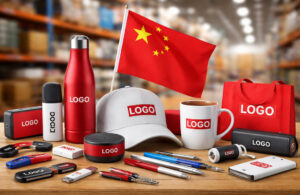


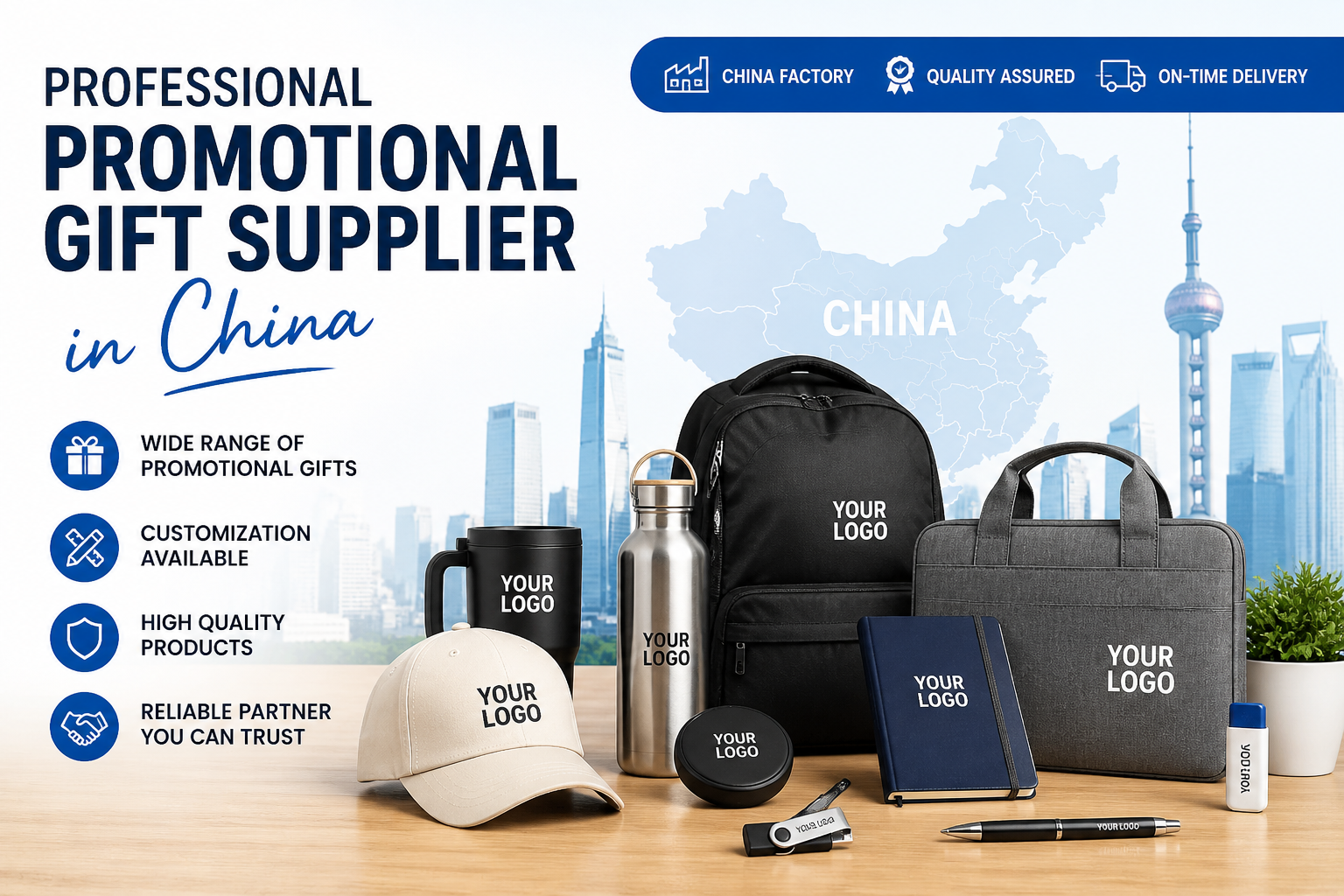
In today’s competitive marketplace, branded merchandise of professional promotional gift supplier in china remains one of the most effective tools for increasing brand recall, rewarding employees, and driving customer loyalty. From trade show giveaways to corporate gift boxes, promotional products create tangible connections between businesses and their audiences. However, sourcing these items at scale requires more than an online search.
China has long been the world’s manufacturing powerhouse, producing everything from eco-friendly tote bags to high-tech USB drives and custom apparel. But not all suppliers operate with the same level of professionalism, quality control, or logistical expertise. This article explores why working with a Professional Promotional Gift Supplier in China is a strategic advantage for marketing managers, procurement specialists, and brand owners. It will cover supplier evaluation criteria, customization capabilities, quality assurance, cost structures, and common pitfalls to avoid. By the end, readers will understand how to identify and partner with a truly professional supplier that protects their brand reputation.
Understanding the Role of a Professional Promotional Gift Supplier
A Professional Promotional Gift Supplier in China does more than simply take orders and ship products. They act as an extension of a client’s marketing and procurement teams. Their responsibilities include material sourcing, design consultation, manufacturing oversight, quality control, packaging, and international logistics.
Many intermediaries claim to be suppliers but are actually trading companies that outsource production to unknown workshops. A genuine professional supplier owns or directly manages factory relationships, ensuring consistent quality and transparent lead times. They typically provide in-house design support for logo placement and product customization, material verification to confirm safety and environmental compliance, production scheduling that accommodates urgent deadlines, and after-sales service including defect resolution and reorder management. For marketing departments running seasonal campaigns or product launches, having a reliable Professional Promotional Gift Supplier in China eliminates the risk of delayed shipments or substandard merchandise that damages brand perception.
Why Global Brands Source Promotional Gifts from China
China’s dominance in promotional merchandise manufacturing is no accident. Several structural advantages make it the preferred sourcing destination for companies in North America, Europe, Australia, and the Middle East.
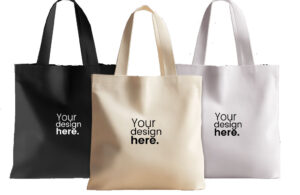
China hosts thousands of specialized factories dedicated to specific product categories such as silicone wristbands, metal keychains, custom notebooks, drinkware, power banks, lanyards, and technical apparel. This specialization drives efficiency and cost control. A Professional Promotional Gift Supplier in China leverages this ecosystem to offer lower minimum order quantities for niche items, faster prototyping using in-house tooling and 3D printing, and scalable production ranging from five hundred units to five hundred thousand units.
Labor, raw materials, and logistics remain more affordable in China compared to Europe or North America. However, affordability does not mean poor quality. Professional suppliers invest in automated equipment, trained operators, and third-party inspections. A typical cost breakdown for a custom promotional pen might allocate forty percent to raw materials such as brass, plastic, and ink, fifteen percent to molding and tooling, twenty-five percent to assembly and printing, and twenty percent to packaging and logistics. By consolidating these steps under one roof, aProfessional Promotional Gift Supplier in China achieves thirty to fifty percent savings compared to local production, even after shipping and import duties.
Key Services Offered by a Professional Promotional Gift Supplier
Not all suppliers offer the same range of services. The most professional ones operate as full-service partners rather than simple order-takers.
A professional supplier maintains a catalog of hundreds or even thousands of stock products that can be customized. They also develop entirely new products based on client sketches or CAD files. Their services include material sourcing for materials such as recycled plastics, organic cotton, bamboo, and stainless steel, sample creation through pre-production prototypes for client approval, and tooling and mold making for custom shapes and designs.
Modern promotional gifts demand high-quality branding. A Professional Promotional Gift Supplier in China offers multiple decoration methods. Screen printing works ideally for flat surfaces on pens, mugs, and bags. Pad printing is suited for curved or textured items like golf balls or mouse devices. Laser engraving provides permanent marking on metal, wood, or glass. Heat transfer allows full-color photographic prints on textiles. Embroidery delivers a premium finish on caps, polos, and bags. UV digital printing requires no minimum order for complex, multi-color designs.
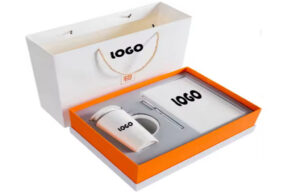
Brand experience extends to how a gift is presented. Professional suppliers offer custom packaging options including polybags with barcode labels, printed cardboard boxes such as mailer boxes, rigid boxes, or folding cartons, insert trays made of foam, molded pulp, or plastic, and retail-ready displays for point-of-purchase promotions. Some suppliers also provide pick-and-pack fulfillment, shipping directly to multiple addresses or retail locations.
Quality Control Standards for Promotional Products
Quality failures in promotional merchandise can backfire spectacularly. A defective power bank that overheats or a pen that leaks ink onto a client’s shirt creates negative brand association. A Professional Promotional Gift Supplier in China implements rigorous quality management systems.
Before full manufacturing begins, professional suppliers verify material certifications such as REACH, RoHS, FDA for food contact, or Prop 65, color matching for Pantone or CMYK accuracy, and print durability through adhesion tests, scratch resistance checks, and wash cycles for textiles.
During production, quality control staff randomly pull units at defined intervals. Typical AQL standards for promotional products are 1.5 for major defects and 4.0 for minor defects. A final inspection covers dimensions and weight per specification, functionality such as battery life in power banks or click mechanisms in pens, and appearance to ensure no smudges, misalignments, or loose threads.
For high-value orders, professional suppliers accommodate independent inspections by firms like SGS, Bureau Veritas, or TÜV. Inspection reports provide documented evidence of compliance, which is especially important for regulated products like electronics or children’s items.
Compliance and Safety Certifications to Demand
Different markets have different legal requirements. A Professional Promotional Gift Supplier in China should be able to provide verifiable test reports for various product categories.
For electronics such as power banks and speakers, required certifications include CE, FCC, RoHS, REACH, and UN38.3 for batteries. For textiles including bags, caps, and apparel, certifications such as OEKO-TEX Standard 100, GOTS for organic materials, and BSCI for social compliance are essential. For drinkware like bottles and mugs, FDA for food contact, LFGB, and Prop 65 apply. For toys and children’s gifts, EN71, ASTM F963, and CPSIA are mandatory. For eco-friendly products, FSC for paper and wood products and GRS for recycled content are expected.
Without these certifications, shipments may be detained at customs, destroyed, or result in fines. Professional suppliers maintain test files and update them annually or whenever material suppliers change.
Cost Structure and Pricing Models for Promotional Gifts
Understanding how a Professional Promotional Gift Supplier in China prices their products allows buyers to budget accurately and negotiate fairly.
A transparent quote includes several components. The product unit cost is based on MOQ and complexity. The mold or tooling fee is a one-time charge for custom shapes that can be amortized over large orders. The printing setup fee applies per color screen for screen printing. Packaging costs cover custom boxes or standard polybags. Sample costs typically range from thirty to one hundred dollars and are often refundable against production. Logistics include air or sea freight and customs brokerage. Payment terms are typically thirty percent deposit and seventy percent balance before shipment, or against bill of lading for repeat clients.
Professional suppliers offer tiered pricing based on volume. For a custom logo silicone wristband, five hundred units might cost forty-five to fifty-five cents per unit, one thousand units thirty-five to forty cents per unit, five thousand units twenty-two to twenty-eight cents per unit, and ten thousand units or more fifteen to nineteen cents per unit. For a custom printed power bank of 2,600 mAh, five hundred units might cost six dollars fifty to seven dollars fifty per unit, one thousand units five dollars twenty to six dollars per unit, five thousand units four dollars to four dollars eighty per unit, and ten thousand units or more three dollars twenty to three dollars eighty per unit. These prices reflect direct factory pricing from a Professional Promotional Gift Supplier in China, which is significantly lower than local distributors.
Customization Capabilities – From Stock to Fully Bespoke
One of the main reasons brands work with a Professional Promotional Gift Supplier in China is customization flexibility.
Stock product customization begins with standard blanks, which are plain products without branding. Customization involves adding a logo via screen print, engraving, or sticker. Lead times are typically seven to fifteen working days. This option is ideal for last-minute trade show giveaways, small test orders of five hundred to one thousand units, and budget-conscious campaigns.
Semi-custom products involve the supplier modifying an existing product by changing colors, materials, or adding a unique feature such as a notebook with a branded magnetic clasp. Lead times are typically twenty to twenty-five working days. This approach requires mold modification but no full new tooling.
Fully bespoke development is for product launches or exclusive corporate gifts where a professional supplier creates something entirely new. The process includes concept sketches and 3D renderings, prototype printing using SLA or CNC, mold fabrication in steel or aluminum, pilot production and testing, and finally mass production. Lead times range from forty-five to ninety working days. The minimum investment is two thousand to ten thousand dollars for tooling, which is amortized over order volume. This is where a true Professional Promotional Gift Supplier in China shines, offering engineering support that trading companies cannot match.
Lead Times and Logistics – What to Expect
Time is money, and marketing campaigns have fixed launch dates. A professional supplier provides realistic timelines.
For stock products with custom printing, sample lead time is three to five days, production lead time is seven to ten days, and total time excluding shipping is ten to fifteen days. For semi-custom products with color changes, sample lead time is five to seven days, production lead time is fifteen to twenty days, and total time is twenty to twenty-seven days. For fully bespoke products, sample lead time is fifteen to twenty days, production lead time is thirty to forty-five days, and total time is forty-five to sixty-five days.
Shipping options and transit times vary. Air freight takes three to six days to most global hubs, costs five to ten dollars per kilogram, and is best for orders under five hundred kilograms or urgent deadlines. Express courier services like DHL, FedEx, or UPS take two to five days door-to-door, cost eight to fifteen dollars per kilogram, and are ideal for samples and small orders under one hundred kilograms. Sea freight as less-than-container load takes twenty-five to forty days depending on destination, costs fifty to one hundred twenty dollars per cubic meter, and is best for orders over five hundred kilograms. Sea freight as full container load takes twenty to thirty days for a twenty-foot or forty-foot container and offers the lowest per-unit cost for bulk orders exceeding ten thousand units. A Professional Promotional Gift Supplier in China provides guidance on the most cost-effective and reliable shipping method based on budget and urgency.
How to Evaluate and Verify a Supplier Before Committing
Not every supplier claiming to be professional lives up to the title. Procurement teams should follow a due diligence checklist.
Red flags to avoid include having no verifiable address or factory tour option, which may indicate a trading company. Vague certifications such as “we comply with international standards” without test reports are another warning sign. Upfront payment demands of one hundred percent deposit before sample approval should raise concerns. No physical samples being available, only digital photos, is problematic. Excessively low prices often indicate substandard materials or shortcuts in production.
Positive indicators of a professional supplier include factory audit reports such as BSCI, Sedex, or ISO 9001 certification. A willingness to share client references, even anonymized, is a good sign. A transparent defect policy, such as replacement or refund for more than two percent defects, demonstrates accountability. A dedicated account manager who speaks fluent English ensures clear communication. The ability to provide a sample within five to seven days at a reasonable cost is a strong indicator of professionalism.
Before placing a large wholesale order, a buyer should order ten to fifty samples exactly as they would be produced. The buyer should test for print adhesion using scratch tests and wash tests for textiles, color accuracy under natural and artificial light, functionality of moving parts or electronics, and packaging integrity. A professional supplier encourages this step and does not pressure for a mass order before approval.
Common Mistakes When Choosing a Promotional Gift Supplier
Even experienced marketing professionals make errors. Avoiding these pitfalls is essential when selecting a Professional Promotional Gift Supplier in China.
Prioritizing price over process is a common mistake. The cheapest quote often comes with hidden costs including poor communication, delayed lead times, or rejected customs shipments. Professional suppliers charge fair prices, not rock-bottom ones.
Ignoring intellectual property protection is another error. China’s IP environment has improved dramatically, but risks remain. Professional suppliers sign non-disclosure agreements and do not reproduce proprietary designs for other buyers. Buyers should always register trademarks in China if planning long-term production.
Underestimating lead time for holidays is a frequent oversight. Chinese factories close for one to two weeks during Lunar New Year, typically in January or February, and production grinds to a halt. Professional suppliers flag this well in advance and suggest ordering forty-five to sixty days early.
Failing to specify packaging requirements leads to problems. Arriving products with damaged packaging due to vague instructions is common. Buyers should specify carton weight limits, inner packing material, and outer box labeling from the start.
Sustainability Trends in Promotional Gifts
Brands increasingly demand eco-friendly merchandise. A forward-thinking Professional Promotional Gift Supplier in China offers sustainable alternatives.
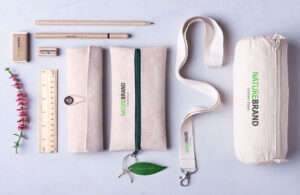
Popular eco-friendly products include bamboo pens, cutlery, and speakers made from biodegradable and renewable materials. Recycled PET bags and apparel created from plastic bottles are common. Soy-based inks are used for printing on paper and cardboard. Seed paper notebooks that can be planted after use are gaining popularity. Stainless steel and glass drinkware that is reusable and non-toxic is also in high demand.
Certifications to look for include GRS or Global Recycled Standard, which verifies recycled content. FSC or Forest Stewardship Council certification ensures sustainable wood and paper. OK compost certification indicates industrial or home compostable materials. Some suppliers offer carbon-neutral manufacturing where production emissions are offset. Professional suppliers provide traceability documentation for eco-claims, avoiding accusations of greenwashing.
Step-by-Step Guide to Sourcing from a Professional Promotional Gift Supplier
For first-time or experienced buyers, a structured approach ensures success when working with a Professional Promotional Gift Supplier in China.
The first step is to define requirements clearly. This includes product type, quantity, budget, target delivery date, required certifications such as CE or FDA, branding method, and artwork files in vector formats like AI, EPS, or PDF.
The second step is to shortlist three to five professional suppliers. Buyers can search B2B platforms such as Alibaba or Global Sources using filters like “Manufacturer,” “Gold Supplier,” or “Verified.” Buyers should prioritize those with trade assurance or similar buyer protection, response times under twenty-four hours, and product-specific certifications listed.
The third step is to request quotations with detailed specifications. A clear request for quotation should include product dimensions, weight, and material, printing position, size, and colors with Pantone numbers, and required packaging and labeling.
The fourth step is to compare quotes and lead times. Buyers should not automatically choose the lowest price. Instead, they should evaluate sample policy including cost, lead time, and whether the fee is refundable, defect tolerance and replacement terms, and communication clarity.
The fifth step is to order and approve samples. Buyers should run the tests described earlier, including print adhesion, color accuracy, functionality, and packaging integrity. For orders exceeding five thousand units, buyers should request a pre-production sample.
The sixth step is to place the production order with a clear contract. The contract should include a specifications sheet signed by both parties, a payment schedule such as thirty percent deposit and seventy percent balance, shipping Incoterms like FOB Shanghai, EXW, or CIF, and a liquidated damages clause for late delivery, which is especially important for time-sensitive orders.
The seventh step is to monitor production and arrange third-party inspection. Buyers should request weekly photo or video updates. For large orders, hiring an independent inspector at a cost of two hundred to five hundred dollars per day is recommended.
The eighth step is to arrange logistics and customs clearance. Buyers should work with a freight forwarder if the supplier does not handle shipping. It is essential to ensure that the commercial invoice, packing list, and certificate of origin match exactly.
The ninth and final step is to receive, inspect, and provide feedback. Buyers should count units, inspect random cartons, and test samples. Any defects should be reported immediately. A professional supplier will resolve issues for future orders.
The Strategic Value of a Professional Promotional Gift Supplier
Sourcing promotional merchandise is not a commodity transaction. It is a partnership that directly impacts brand perception, campaign success, and budget efficiency. A Professional Promotional Gift Supplier in China brings manufacturing expertise, quality discipline, customization creativity, and logistical reliability that trading companies and local printers cannot match.
Marketing directors and procurement managers who invest time in vetting and building relationships with professional suppliers gain a competitive edge. They enjoy faster turnaround, lower costs, and memorable products that customers and employees actually keep and use.
The key is to look beyond price. Buyers should evaluate certifications, request physical samples, inspect factories either in person or via video, and communicate specification details clearly. With the right partner, promotional gifts become powerful brand assets rather than disposable trinkets.